
Why Beige and Brown Granites Are Trending in Commercial Lobby Design
September 23, 2026Kasyno online Vulkan Vegas – Recenzja platformy
October 12, 2026
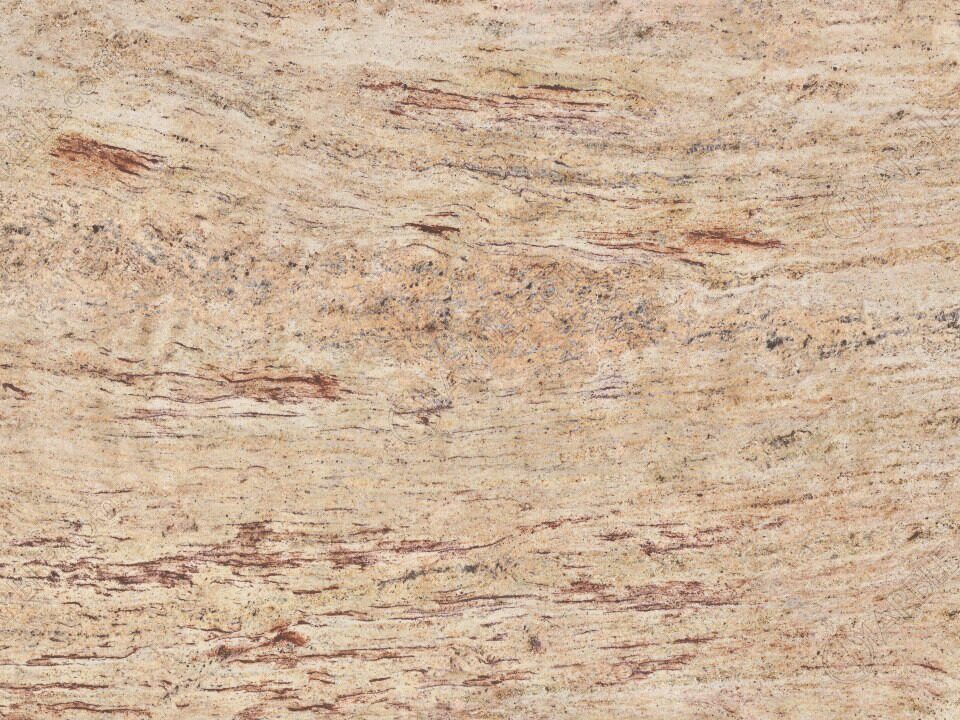
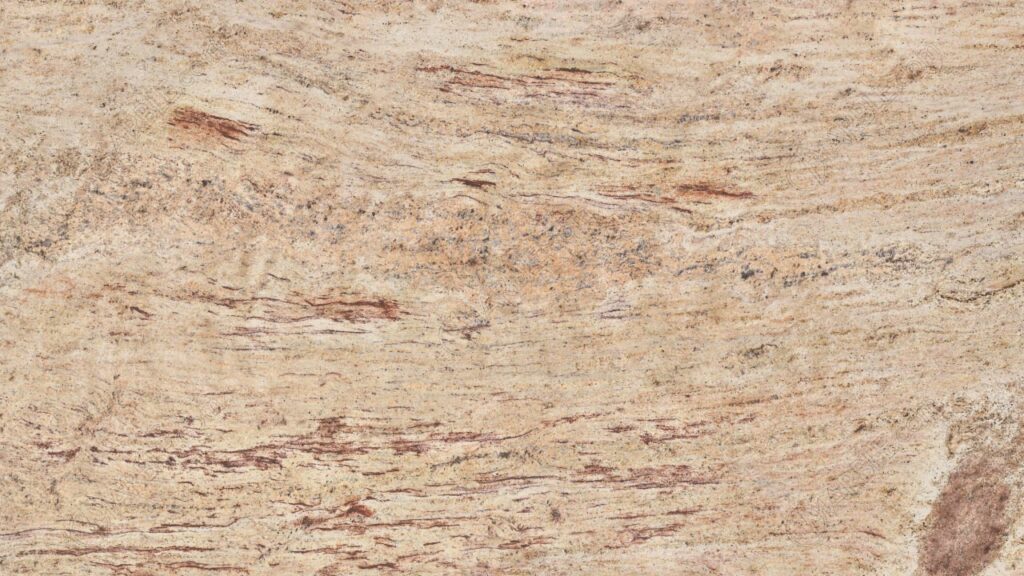
Granite can be defined as magma that cools slowly under the earth’s crust for millions of years, forming a mixture that consists of quartz, feldspar, and mica. Because of this, granite can withstand the pressure of both hot pans and heavy feet. If you are planning a kitchen or flooring with Alaska Gold Granite in mind, you may want to have a better grasp of the process that occurs between the mountains and the showroom so that you can have more substantial knowledge of the properties of a certain slab of granite material.
How Alaska Gold Granite slabs are made, step by step
The procedure of preparing marble includes four main phases: removing blocks from mountains and cutting them into slabs, polishing them, and assessing the finished product. The sequence of the process is very important because it should not be carried out hastily, as it may lead to cracks and dark, unpleasant areas on slabs or slabs of different thicknesses. The first thing that people notice about Alaska Gold Granite is its magnificent appearance, but the quality must be kept constant for each slab of marble.
Choosing and extracting the quarry block
Quarrying begins with a good acknowledgment of geology followed by the employment of machines. A geologist conducts the survey of the mountainside, looking for fractures and hairline cracks in the rocks so as to locate the potential for cracking. After the geologist identifies the solid granite stones, quarry workers drill holes and cut these stones with diamond wires. After the stones are taken out, they are laid on a sandy bed where their safety and geological properties shall be preserved.
Cutting and polishing Alaska Gold Granite slabs
Slicing at the production facility is done using a band saw, where various metal blades create slices in the stone while water and stone particles flow across them. This takes a long time to do, with it taking several days to slice through any given block. The end product is slabs with a thickness between 20 and 30 mm. These slabs may form cracks, which are filled with resin and cured.
Next comes the polishing process. The polishing machines use rotating heads that move finer and finer abrasives. As a result, the rough stones will become shiny.
In general, polished granite slabs are used, but some individuals may prefer a honed finish so that the glare in a bright kitchen can be reduced. Another option for those who wish to experience a texture other than a smooth surface is the leathered finish.
Quality checks before a slab ships
Every slab is checked for thickness, flatness, polish and defects, usually under hard light that shows every pit and scratch. Corners and edges too. Approved slabs get numbered and grouped by batch, which matters more than it sounds. Colour can drift a little between blocks of Alaska Gold Granite quarried at different times, so on a big project ask whether all your slabs come from one batch. Then they are stacked in wooden bundles with padding and strapped down for the container. A chipped corner on arrival is a miserable way to start an install.
Why choose Anil Exports for Alaska Gold Granite
Ordering stone from overseas takes some trust, and we’d like to make that easier. Buyers who source Alaska Gold Granite through our team see photos of the actual slabs and get batch details before committing. They also get straight answers about natural variation, even when the honest answer is that it won’t match the sample exactly. At Anil Exports we inspect slabs one at a time and pack them for long sea journeys. We keep communication plain from first enquiry to delivery. And if something in your order looks off, you hear it from us first.
What to remember before you order
A slab conveys all actions taken during creation. Select your slab properly and process it carefully in order to manufacture the product that remains flat and looks good regardless of daily kitchen activity. It is important to ask the suppliers about the origins of the block and the treatment of slabs in terms of verification of conformity of the received batch. Our specialists at Anil Exports are pleased to provide any required information.