
WinHero casino login: stappen en methoden voor Nederlandse spelers
September 23, 2026Kingdom online casino BE – betaalmethoden en uitbetalingstijden
September 23, 2026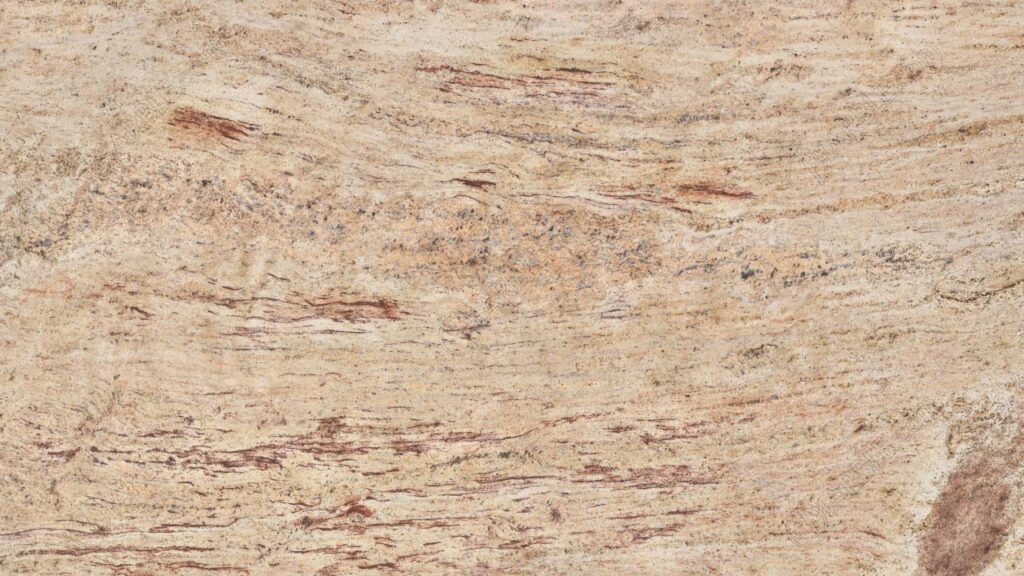
With the completion of offices and hotel lobbies, the trend is evident. White marble, which has been a favorite for the past decade, is losing its hold. Various shades of stone are used in reception desks, walls of buildings, and floors in areas where designers want to give the space an inviting vibe. One reason for this change is practicality. Shades of brown and beige granite are more resistant to wear and tear than white marble. In addition to this, the use of warm colors changes the mood of the guests. Hotels figured that out years before offices did. If you're sourcing stone for a project right now the ivory brown granite supplier you pick will shape how that whole lobby reads the moment someone steps through the door. I've watched clients agonize over paint colors for a lobby and then treat the flooring as an afterthought, which is backwards. The floor is what people actually touch and stand on for the next twenty years.
What Makes an Ivory Brown Granite Supplier So Important for Lobby Projects
The floors in lobbies withstand a lot, such as rolling bags, coffee spills, endless pairs of shoes every day, and fall sun rays coming through the glass walls. Granite floors can deal with all of this without any problems as long as they are cut and laid properly. There are suppliers who check blocks before cutting them and thus provide slabs that match on one floor fully. If you miss this stage, though, you will get tiles from different quarries. By the time you notice that it does not look the way it should, it is too late to do anything about it without removing and changing the floor completely.
The Slow Move Toward Warmer Commercial Palettes
This revolution was led by hospitality. Hotels realized that the behavior of guests was altered in a kind and welcoming lobby as opposed to a cold and clinical one; they will stay in the lobby longer. Only now are offices slowly beginning to follow suit, as companies have started to see the same pattern with clients and employees. The use of beige and brown granite is dictated by the fact that it should look sufficiently warm and welcoming, as well as be sufficiently structured to avoid getting outdated soon. White marble always appeared almost sterile to me after the "wow" factor evaporated.
Finding a Dependable Ivory Brown Granite Supplier for Large-Scale Projects
Big commercial jobs run on tight schedules, and one stone delay can stall an entire build for weeks. A supplier with real quarry access not just a catalog and a middleman and enough processing capacity to hit deadlines saves everyone a headache. Ask for a physical sample before committing to anything. Screens get stone color wrong more often than people expect, sometimes badly enough that what shows up on site looks like a different product entirely.
Durability, Maintenance, and Long-Term Value
Granite's real edge over engineered surfaces isn't the look. It's time. A polished granite lobby floor can look nearly identical twenty years in, with nothing more than routine sealing and cleaning. Cheaper composite alternatives start showing wear within five years, sometimes sooner under heavy traffic. Anyone budgeting a building over decades instead of a single fiscal year eventually feels that gap.
Why Architects Keep Coming Back to a Trusted Ivory Brown Granite Supplier
Most repeat business in this trade comes down to one thing does the stone that arrives actually match what was approved? Once an architect finds an ivory brown granite supplier who delivers consistent batches without games around lead times, they stop shopping around. It's less loyalty and more not wanting to relive a bad delivery.
Why Choose Anil Export
We work directly with quarries, so there's no middleman markup and no guessing where the stone came from. Every batch gets graded by hand before it leaves our facility what you approve is what reaches the site, not a close approximation of it. We also handle cutting, polishing, and export packaging ourselves, so clients abroad aren't stuck chasing logistics on their own time. Anil Export has supplied stone for hotel chains, corporate campuses, and retail builds, and a fair number of those clients call us again for the next one. Not all of them, but enough that we notice the pattern.
Bringing the Trend Into Your Own Project
Beige and brown granites aren't a look pulled from a design magazine that fades out next season. They solve real problems less visible wear, easier upkeep, and a warmer first impression than white marble usually gives. If a lobby renovation is anywhere on your drawing board, reach out to a supplier while the design still has room to move. Ordering the slabs first and figuring out the design around them is how projects end up with mismatched floors nobody's happy with.
