

Fantasy Brown Marble Exporter in India for Grace your kitchen
June 24, 2019Whales: Giants of the Ocean
September 10, 2026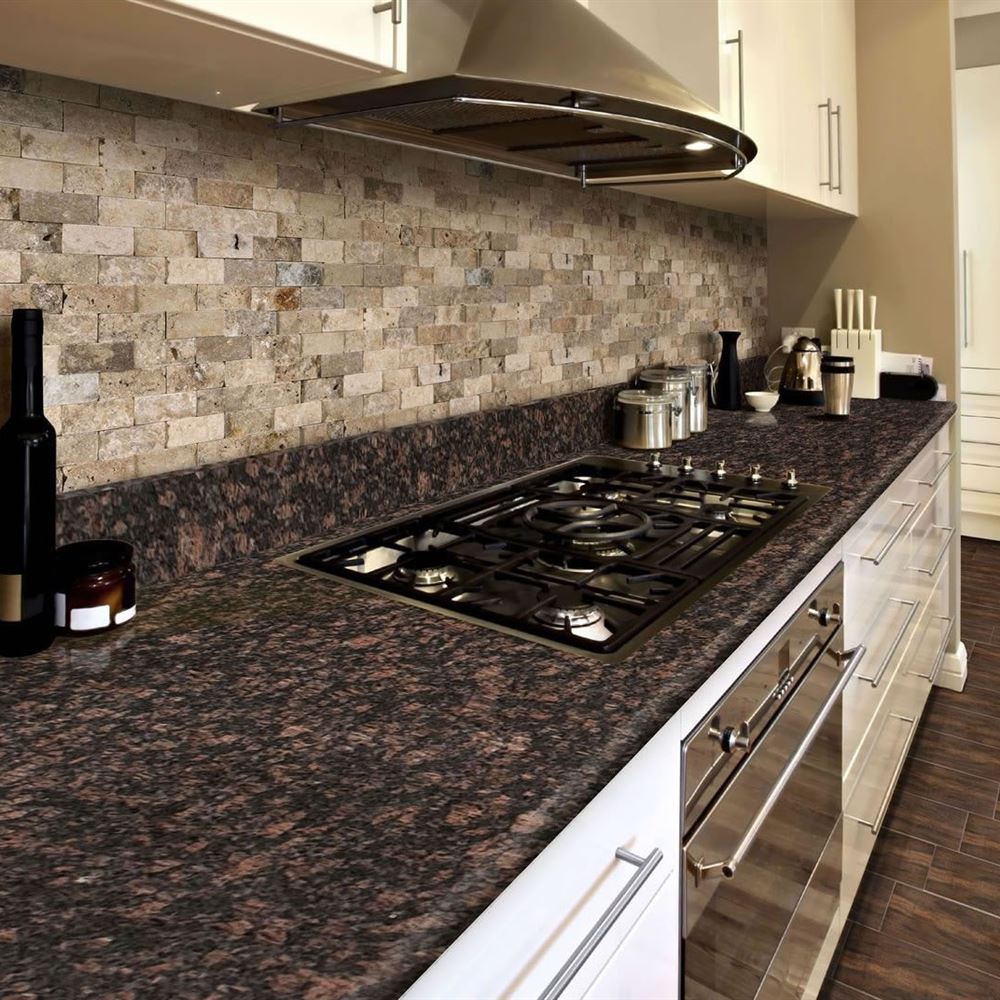
Spend an afternoon in a stone yard in Jalore, and you'll notice the same thing every visitor does: stacks and stacks of dark, speckled slabs, crated and waiting for a container. Ask around, and most people trace it back to the same handful of names. Search for Tan Brown Granite exporters in India and Rajasthan comes up first, almost every time, and the reason isn't marketing. It's that the stone actually holds up in kitchens, hotel lobbies, and building facades from Dubai to Chicago, year after year, without much fuss.
Tan Brown Granite Exporters in India: Meeting a Global Appetite
Annually, lakhs of tons of stone leave Rajasthan for various destinations in Europe and the Middle East. All is well with the stone, not only aesthetically but also in terms of performance. For contractors, the stone's simplicity in maintenance becomes crucial, especially in heavily trafficked commercial places. It is believed that it is no wonder that this stone is still among the options for many office towers and hotel lobbies.
Why Rajasthan's Granite Belt Stands Out
Obtaining such impeccable stone is not the case with every quarry. Rajasthan is located in a geological area known for producing granite of a tighter, more continuous texture than that obtained in other regions, and quarry owners here have had many years to perfect their extraction techniques. This means fewer cracks and less waste. This is more important than it seems because a stone slab with minute cracks can look good in the showroom and fail during cutting or, even worse, after installation. People who experience problems because of inconsistent service begin to be loyal clients once they find a reliable supplier.
How Tan Brown Granite Exporters in India Handle Quality and Logistics
Pulling a block out of the ground is the easy part. Cutting, polishing, and packing it so it survives six weeks at sea without chipping, that's where the real work is. Exporters who run their own gang saws and polishing lines cut out a layer of middlemen and give buyers more control over finish and thickness. Packing is its own skill, too. Granite is heavy and doesn't forgive a badly built crate, and I've heard enough stories about damaged shipments to know it's not a place to save money. The exporters still in business after twenty years are usually the ones who never cut corners here, even under pressure to ship faster.
Global Markets Fueling the Boom
Gulf construction has been a big driver, sure, but not the only one. Renovation work in the US and Europe keeps pulling in steady orders too, as homeowners move away from lighter granites toward darker tones that pair well with wood and brass. Southeast Asia is picking up as well, with new commercial builds going up fast. Spread across that many regions, the market doesn't take much of a hit even when one economy slows down.
What Sets Leading Tan Brown Granite Exporters in India Apart
Price matters, obviously, but it's rarely the cheapest exporters who keep long-term clients. It's the ones who reply to emails on time, ship what was actually ordered, and own it when something goes wrong. Sample accuracy trips up more first-time buyers than you'd expect. Get a slab that looks nothing like the sample sent three months earlier, and that relationship is over.
Why Buyers Choose Anil Exports
At Anil Exports, they take care of the mundane tasks, such as correct documentation, timely loading of containers, and actually matching slabs. The company maintains direct contact with stone quarries in Rajasthan, ensuring that they deliver stones of the required quality. Anil’s clients have been working with it on an ongoing basis, and they openly point out how they have been receiving the same quality of stones every time.
Where This Market Goes From Here
More markets are discovering what Rajasthan's quarries have known for a long time: this stone performs as well as it looks. Anyone sourcing granite for a large project soon realizes that Tan Brown Granite exporters in India offer a level of consistency few other regions can match, and building a relationship with one who understands the stone and the shipping side equally well pays off. In this trade, the small details are usually what separate a smooth delivery from an expensive delay.
